
Many studies have proven that people are more willing to buy brands that are “Made in Italy” because they associate a higher standard of production with the country of origin. However, before you jump to buy the first product with “Made in Italy” labeled on it, do some research to find if it is really made in Italy or just packaged there. Made in Italy is threatened by counterfeit products, Italian sounding names, and Italian companies that have been acquired by foreign entities. For example, large producers of pasta often get cheap grain from Canada and ship the pasta to Italy where they package it so they can label the box “Made in Italy”. What makes true Italian products so great? Here are some reasons why made in Italy and packaged in Italy is such a vast difference in quality.
Italian Elegance and Aesthetics
Italians take pride in their rich history and display flashes of elegance and luxury in the most conspicuous spots throughout the cities. The sidewalks in Bologna and Milan were made of Marble and covered by intricate archways that were supported by enormous pillars. Walking through alleys you could find beautiful ceiling paintings or amazing views of historical landscapes and architecture.
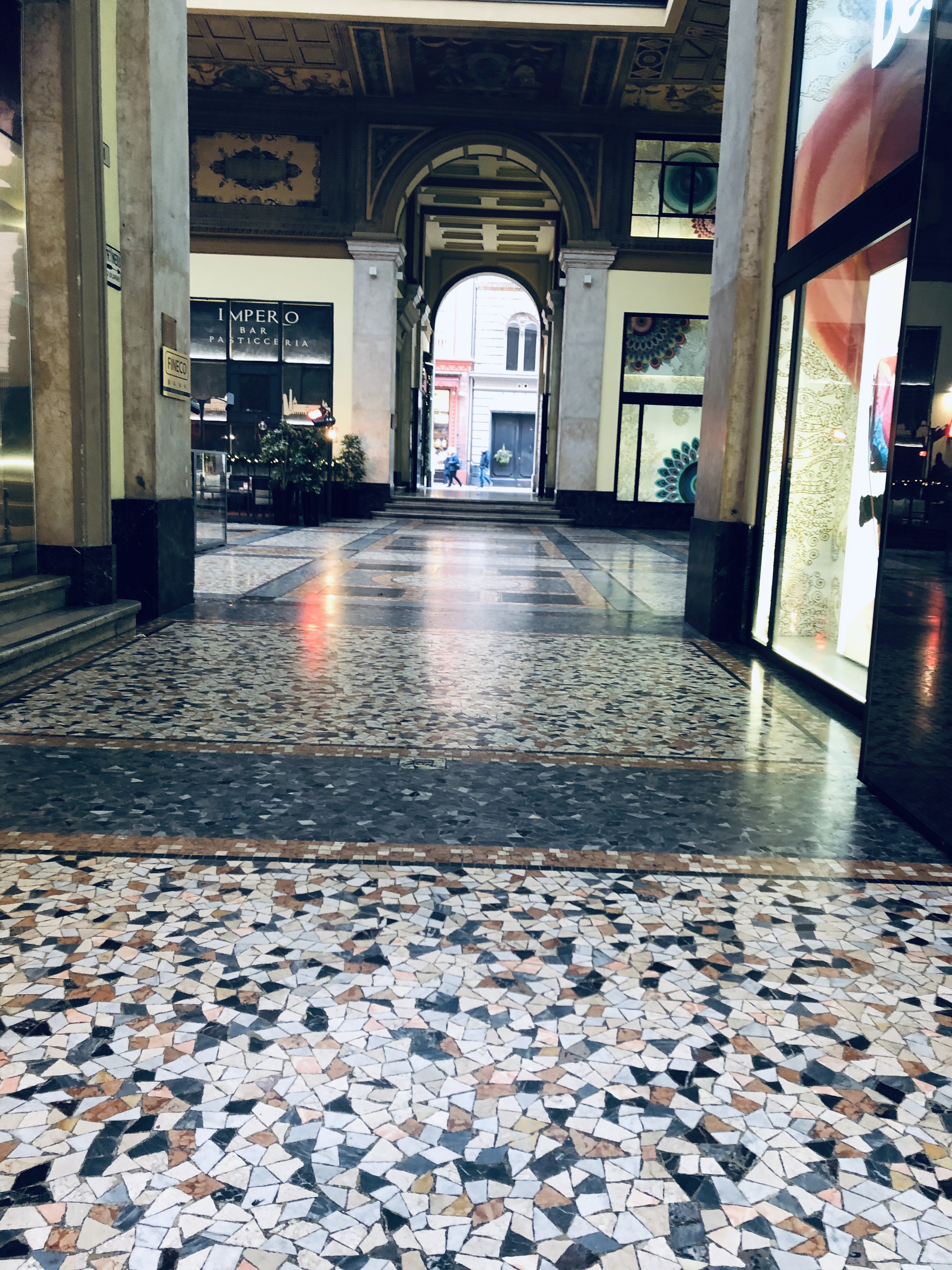

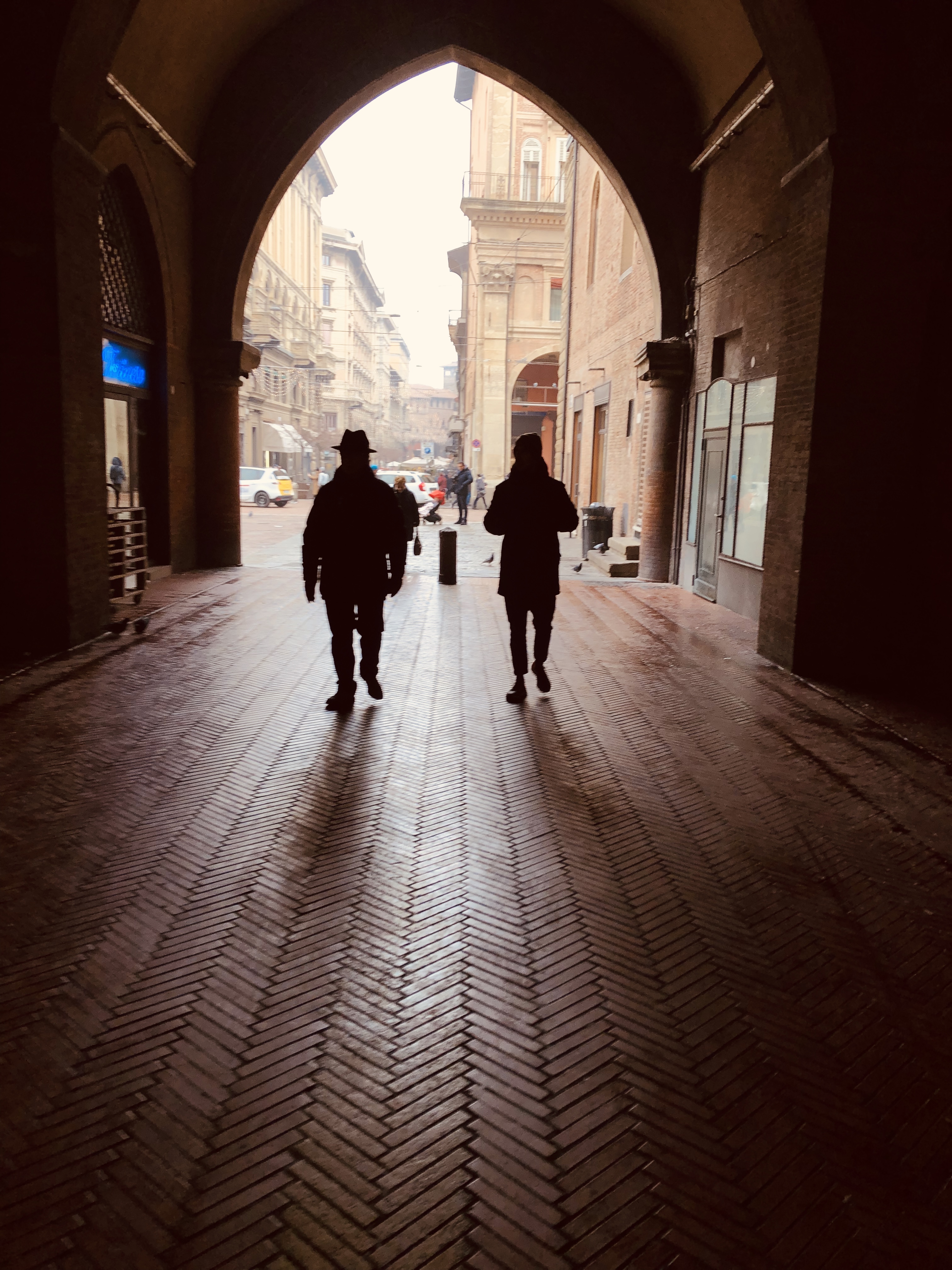
Elegant walkways throughout Bologna

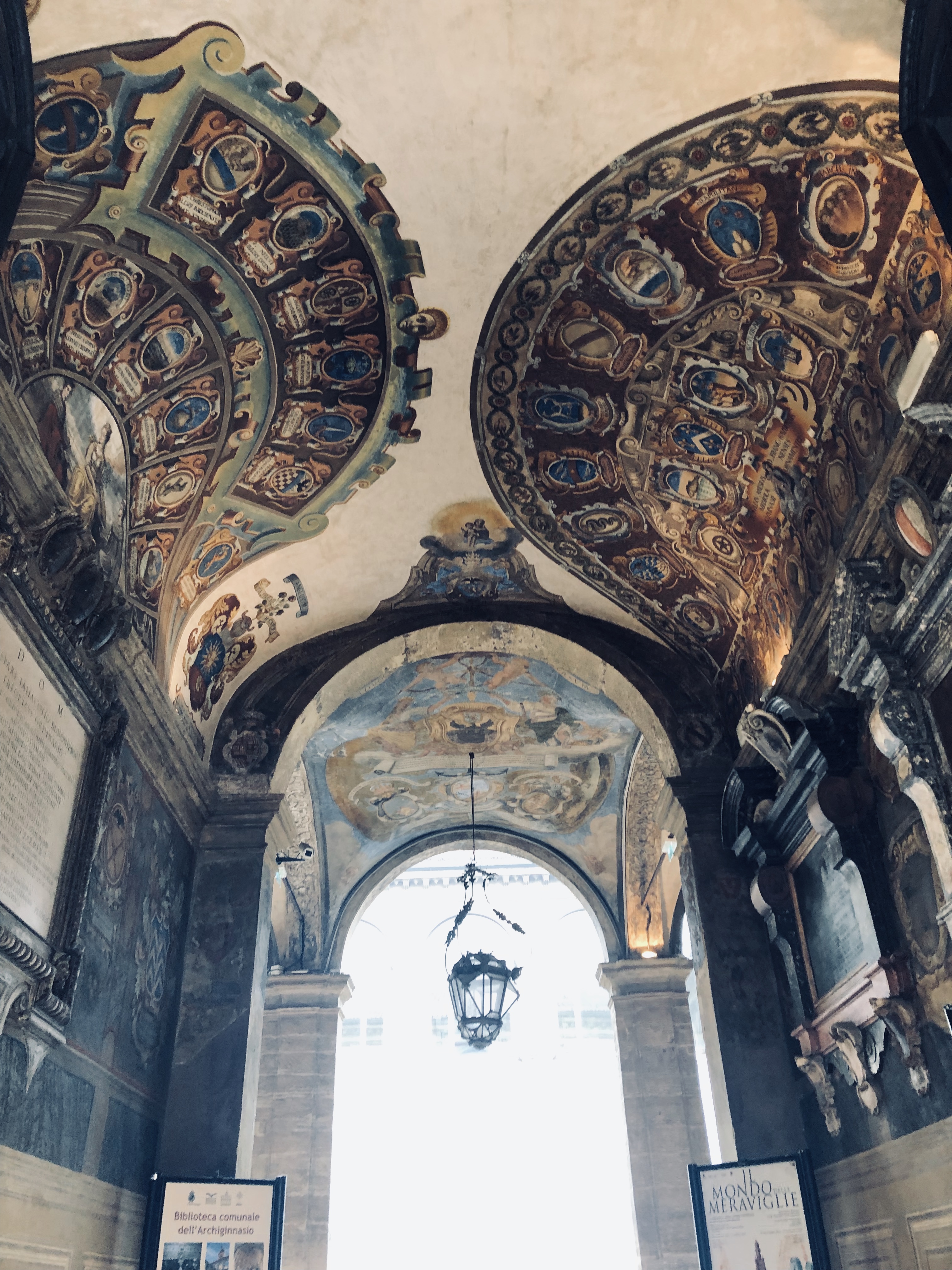
Bologna Vatican City 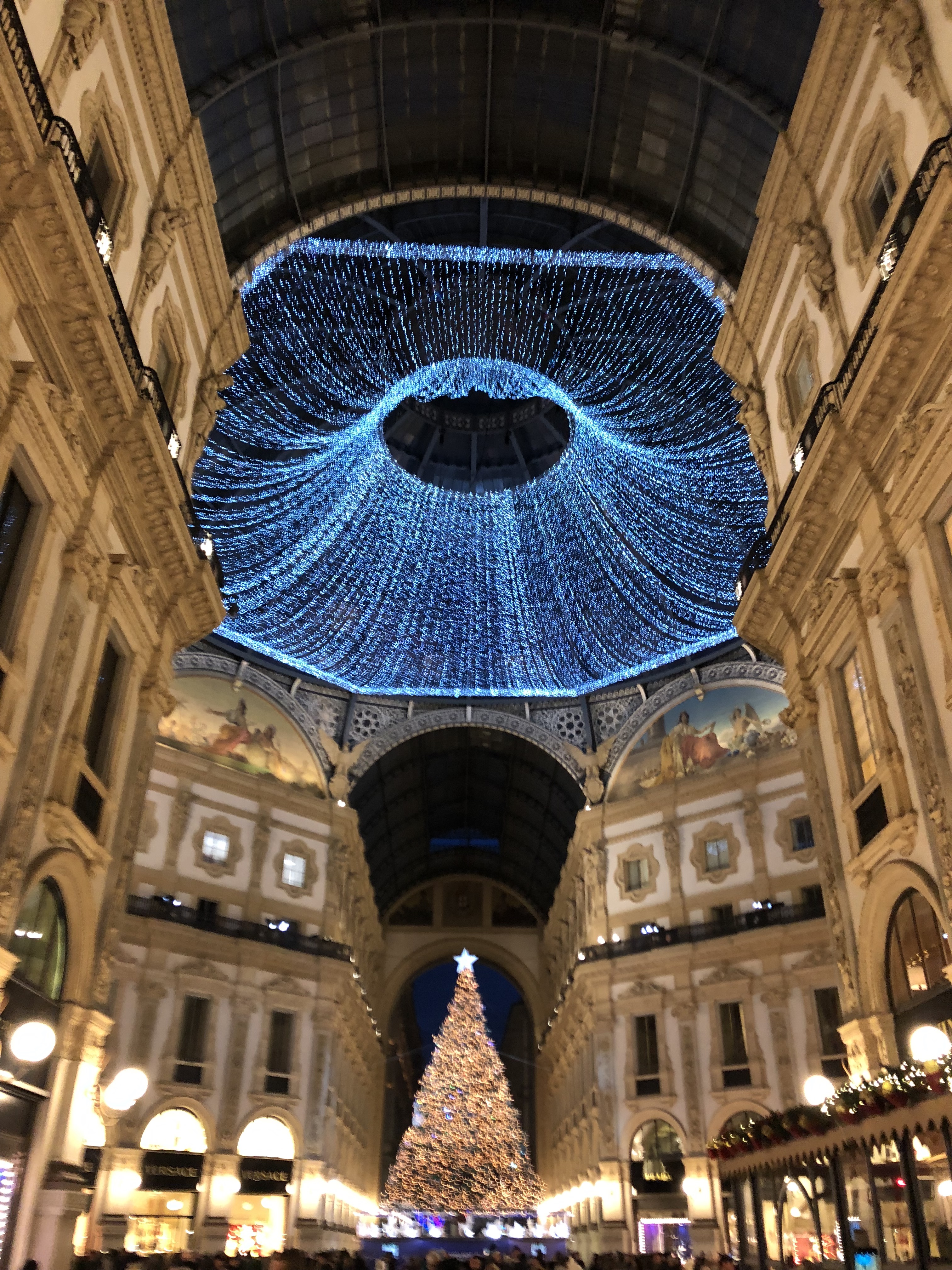
Milan

This elegant presentation is also put into the production of clothing and food here. Whether it be the woman who makes each shoe and belt by hand, stitch by stitch, providing videos to the customers of their shoe being made. Or the beautiful display of something as simple as cheese slices covered in 25-year-old balsamic.
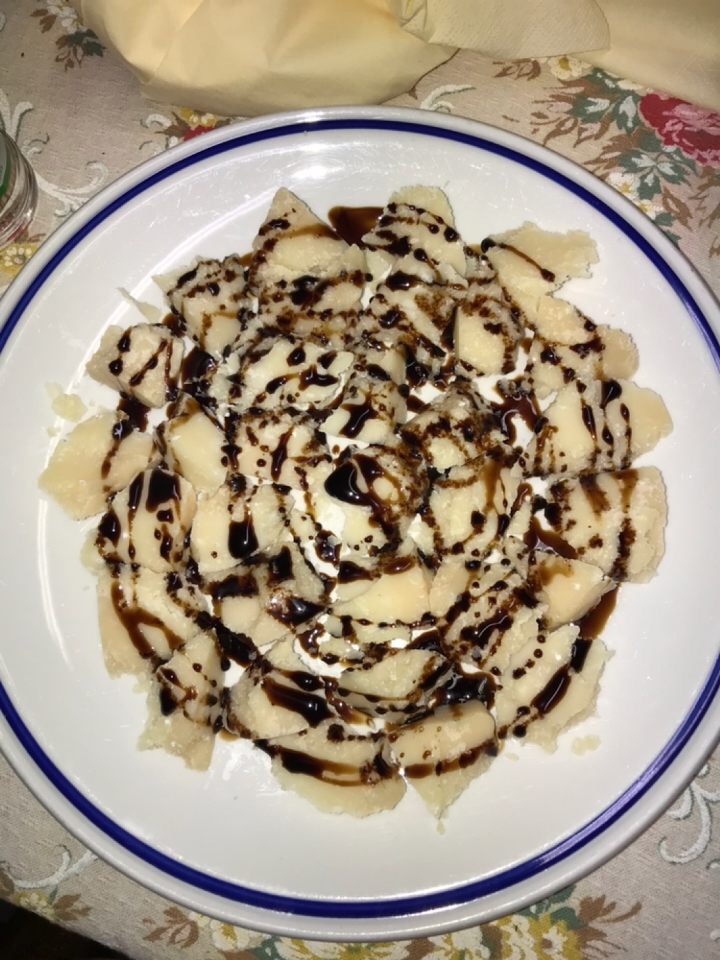
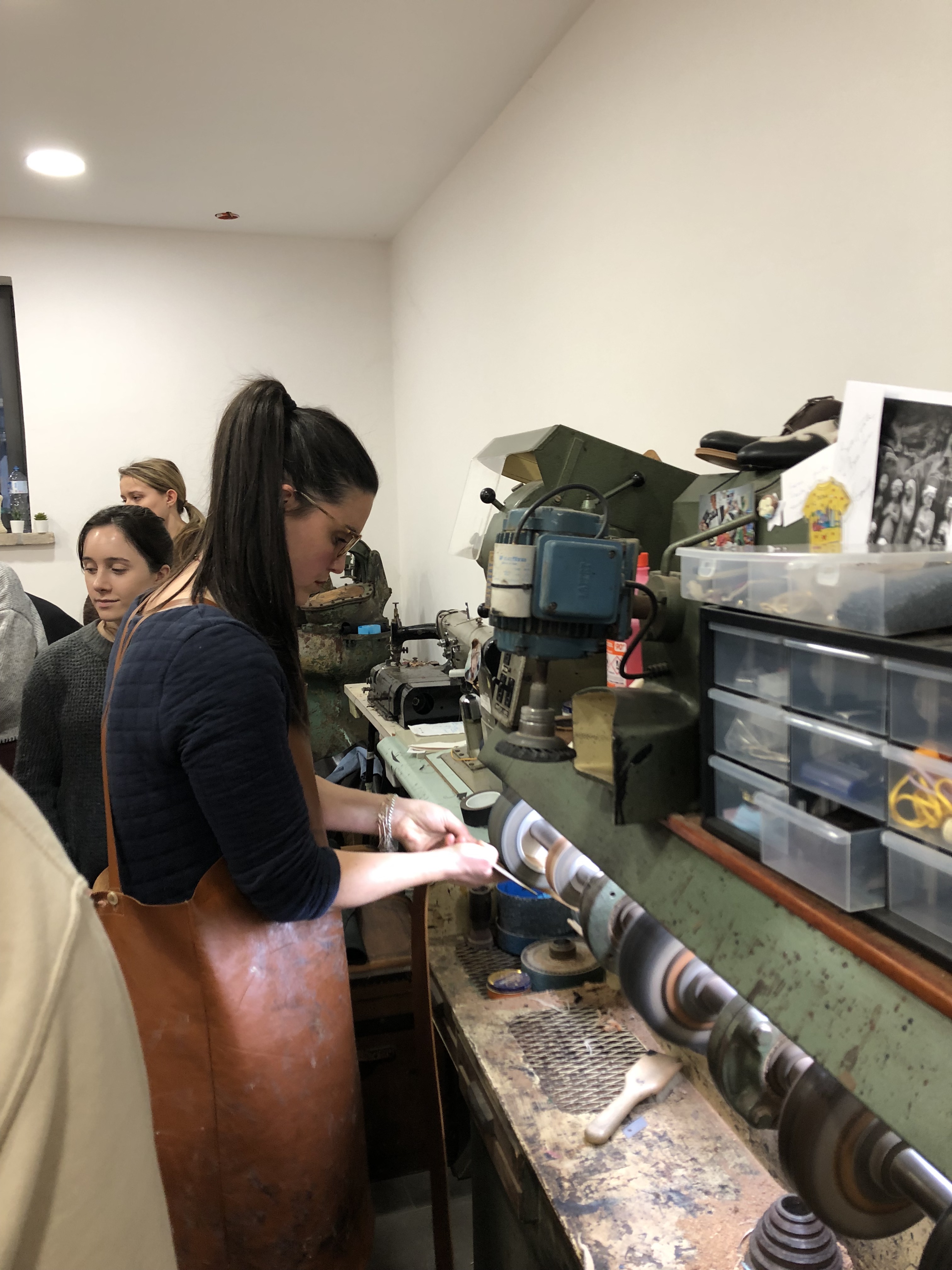
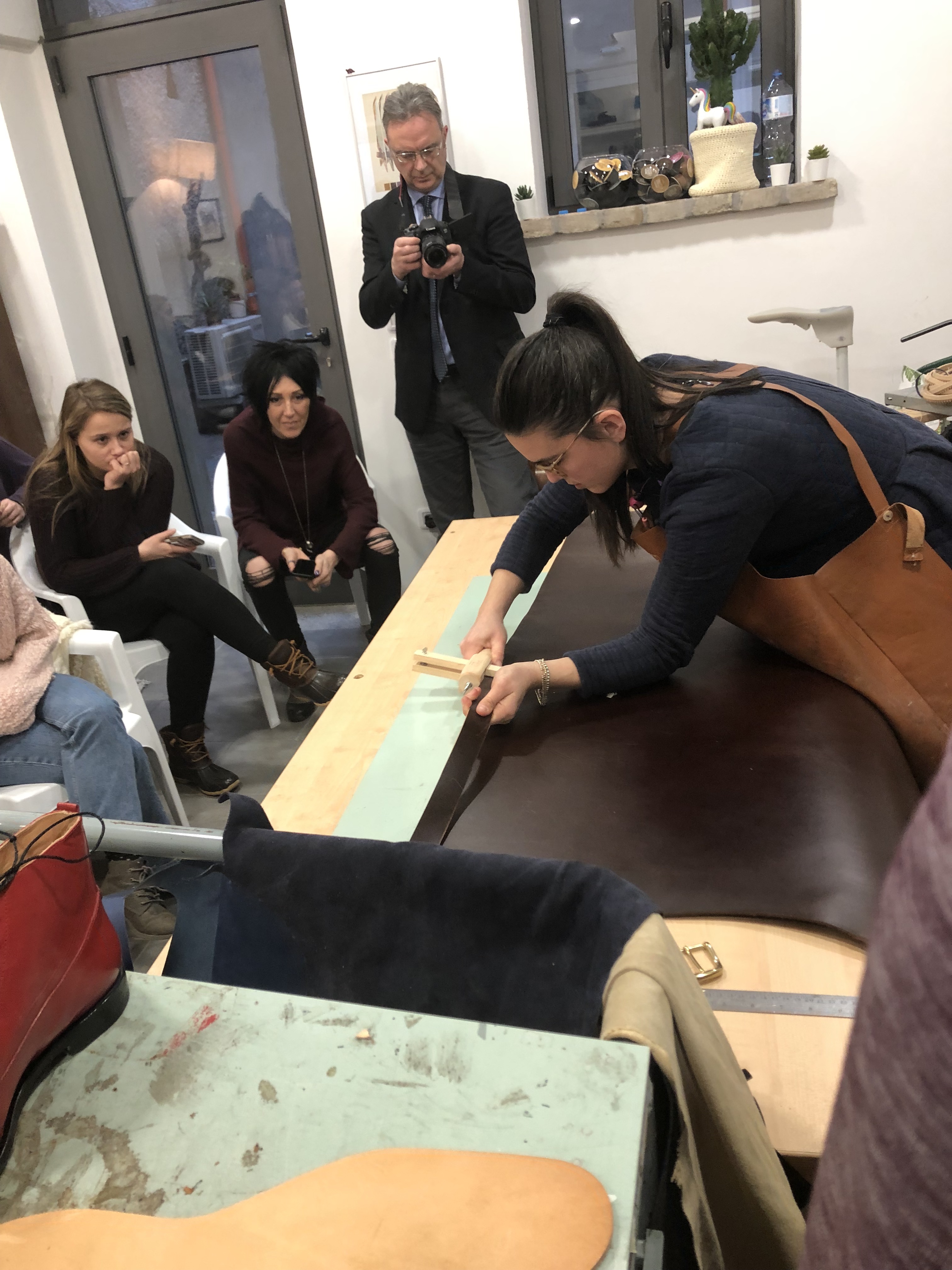
Italians not only take pride in their handmade productions, but enjoy the beautiful natural landscapes and medieval architecture that they are blessed to be surrounded with. The pride in the aesthetics present in their everyday life is reflected in their passionate production of some of the highest quality products in the world.

Milan 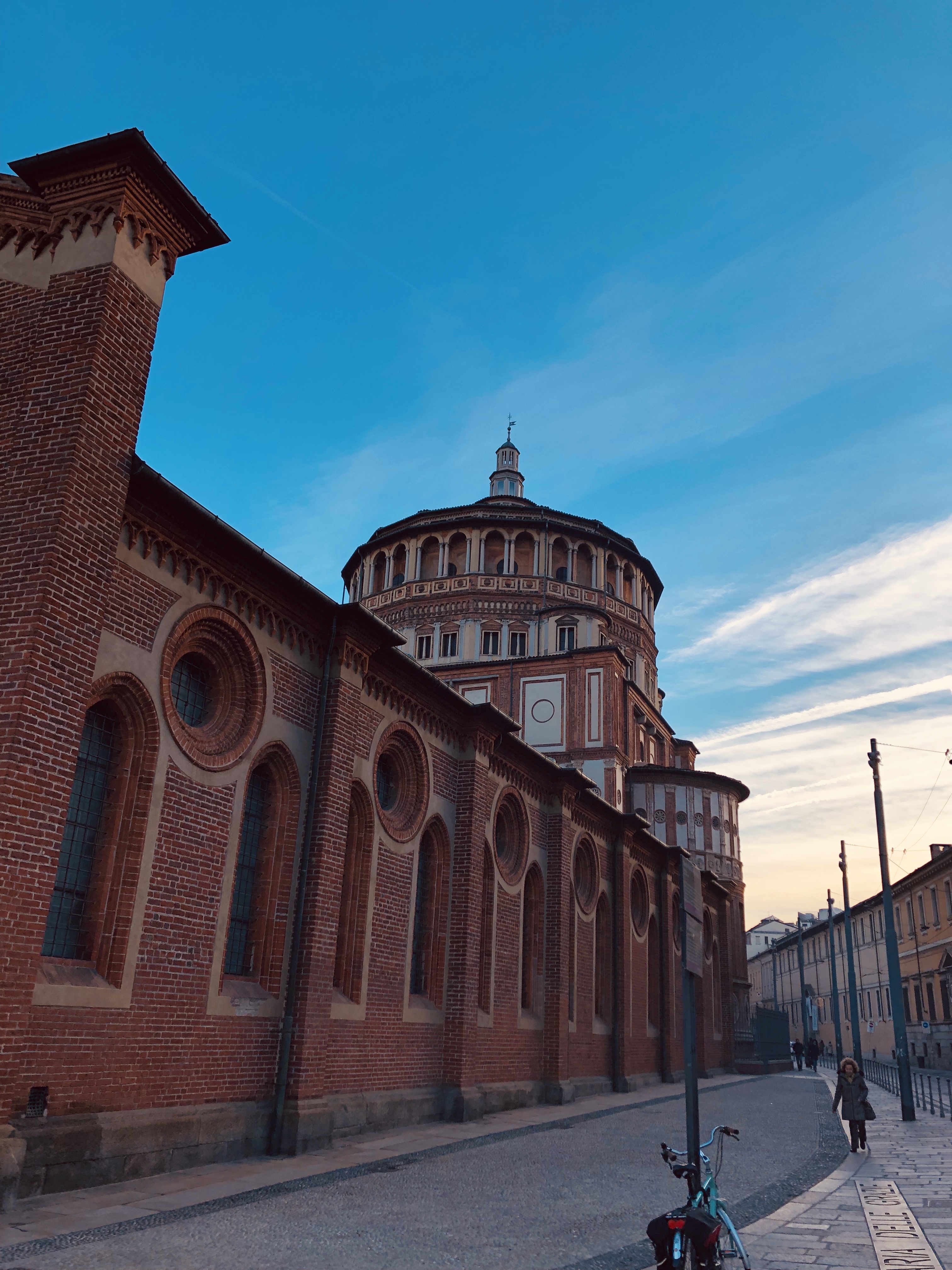
Milan 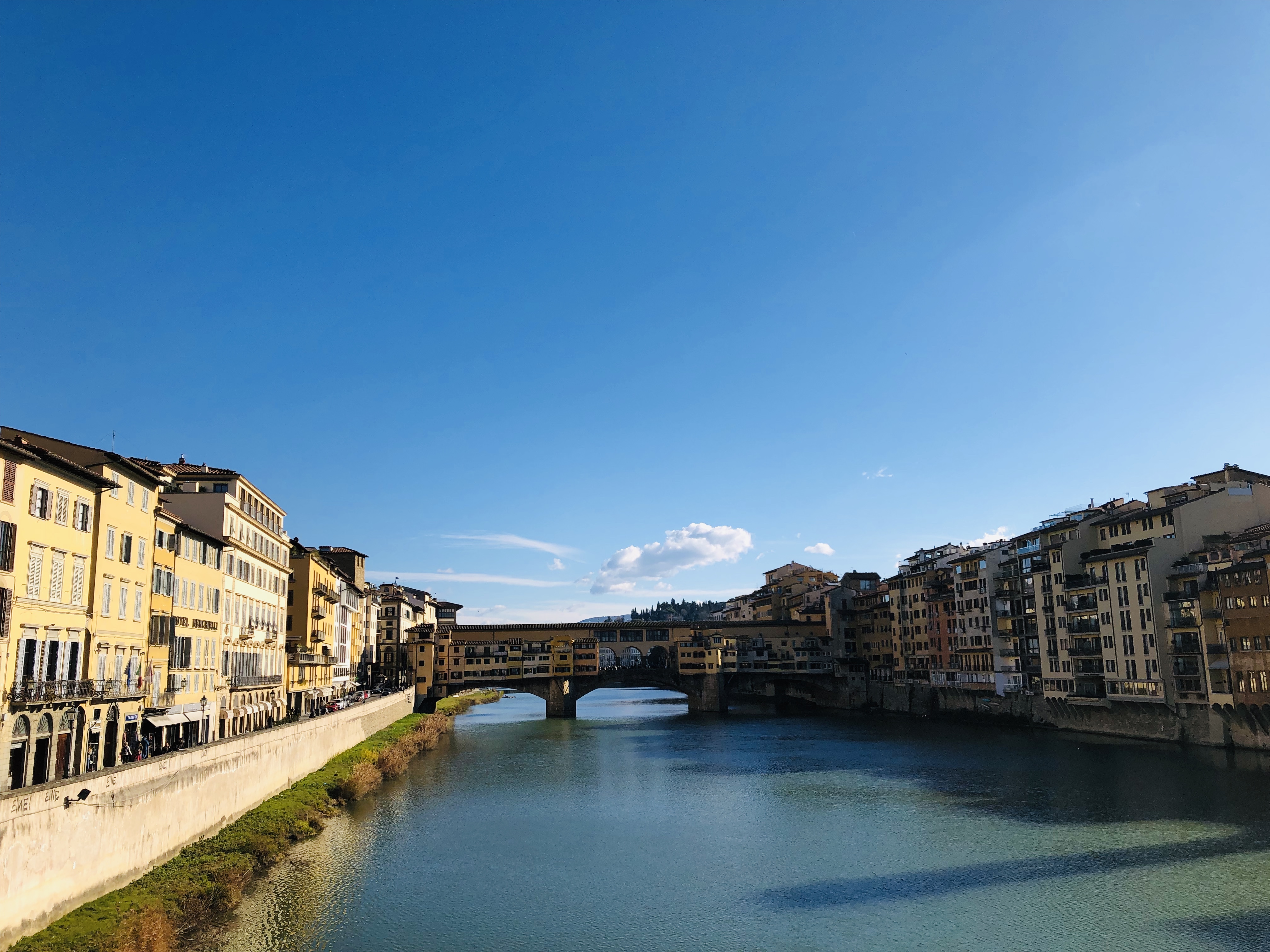
Florence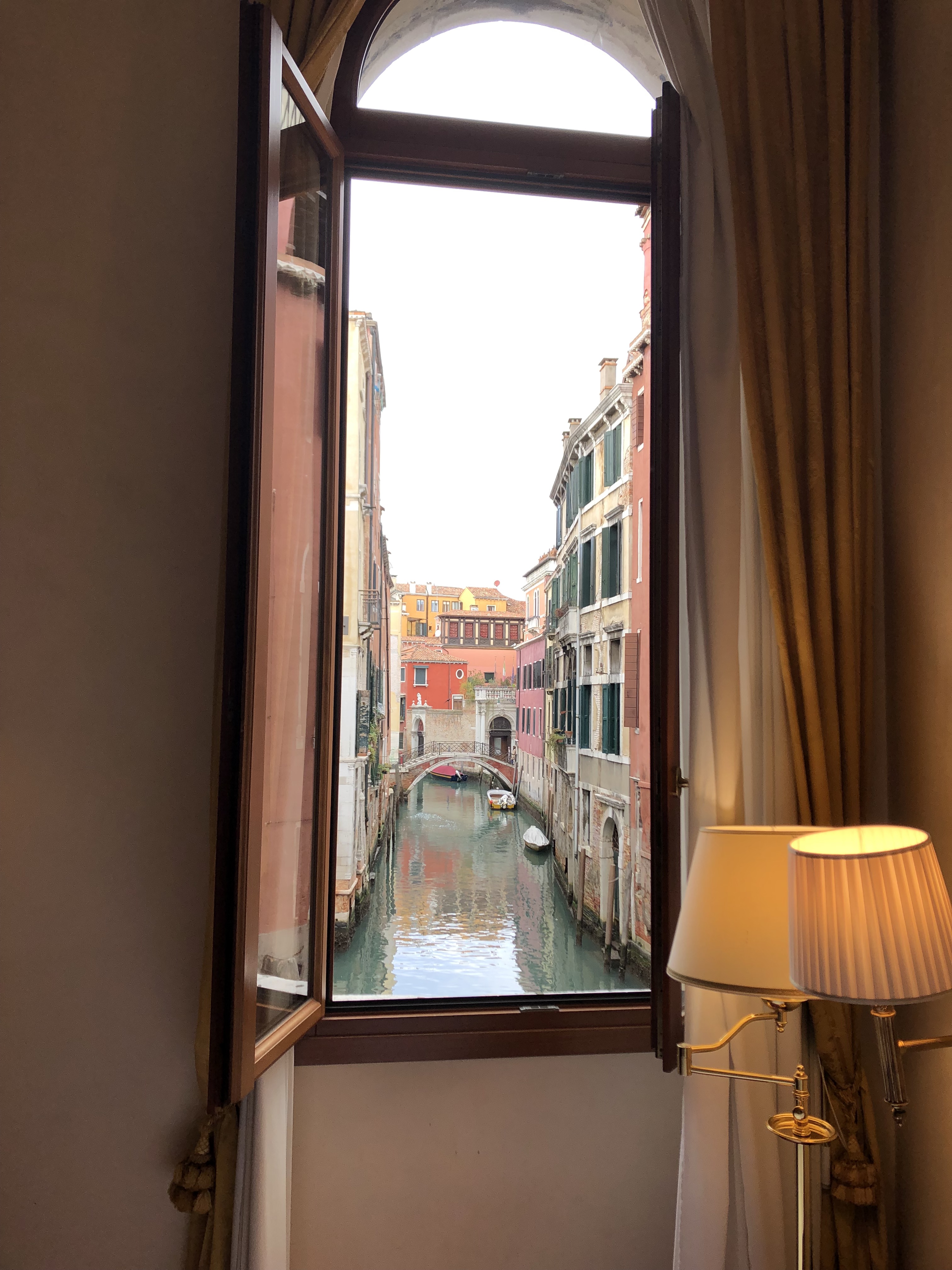
Venice
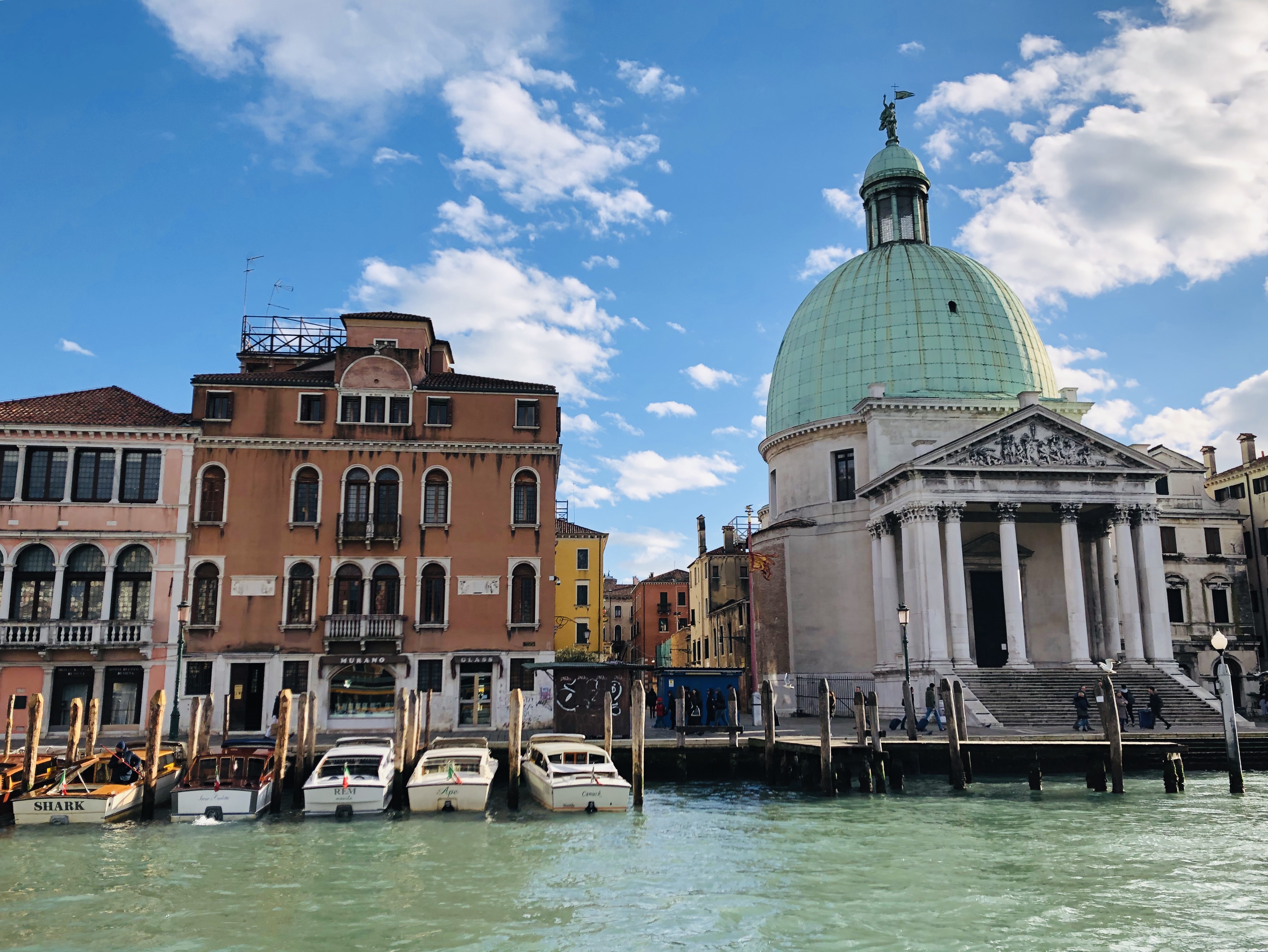
Venice 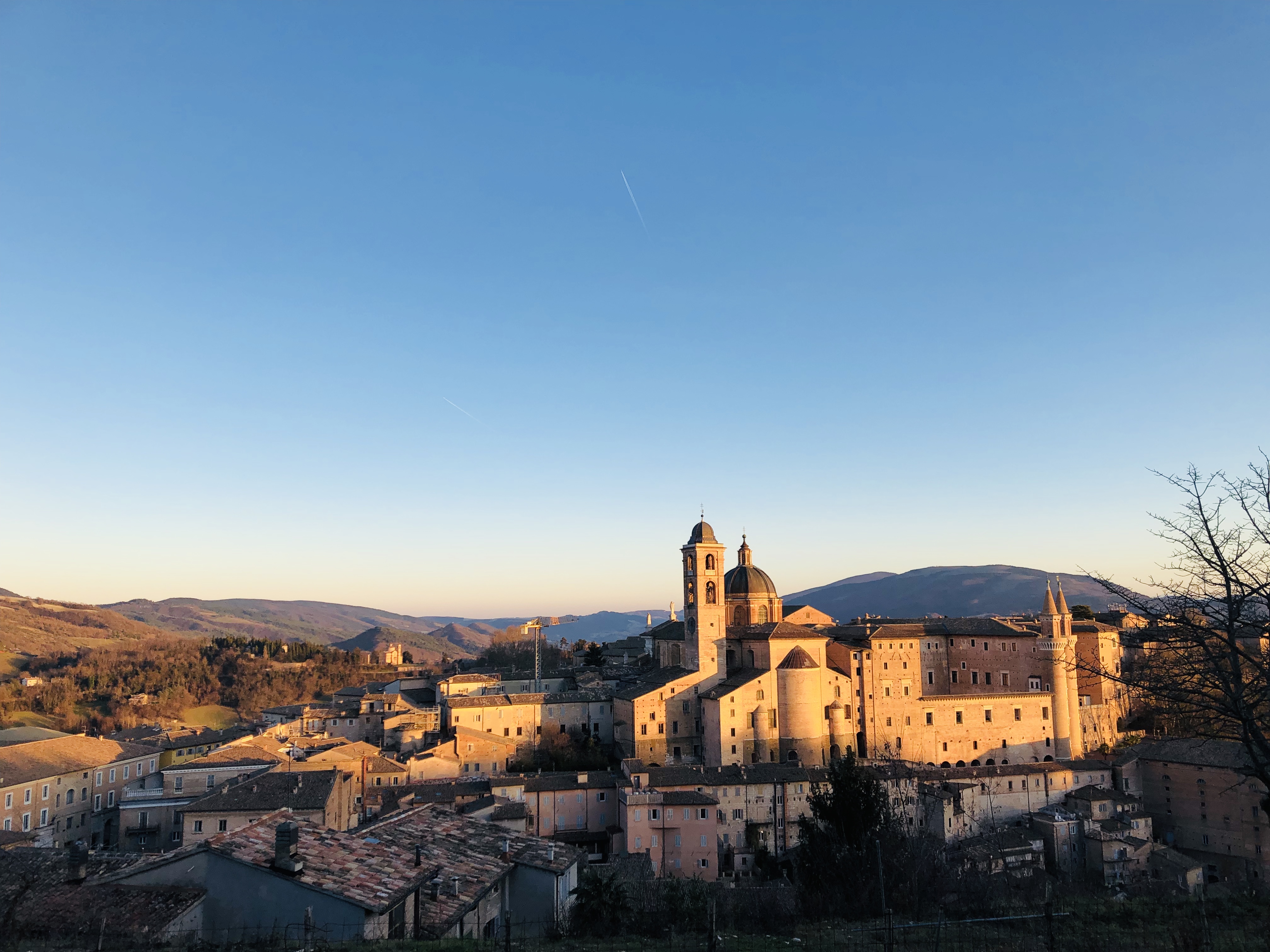
Urbino 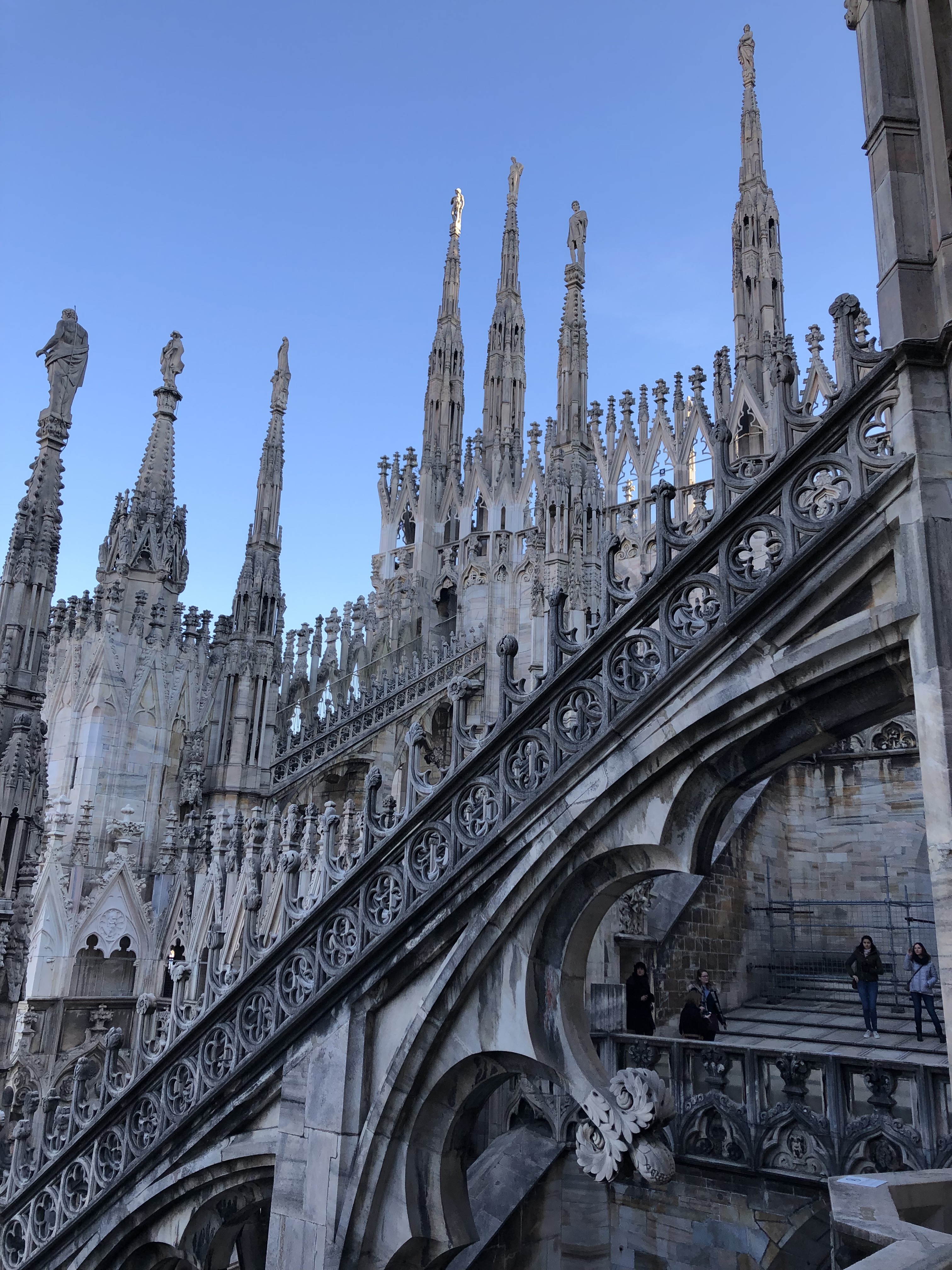
Milan 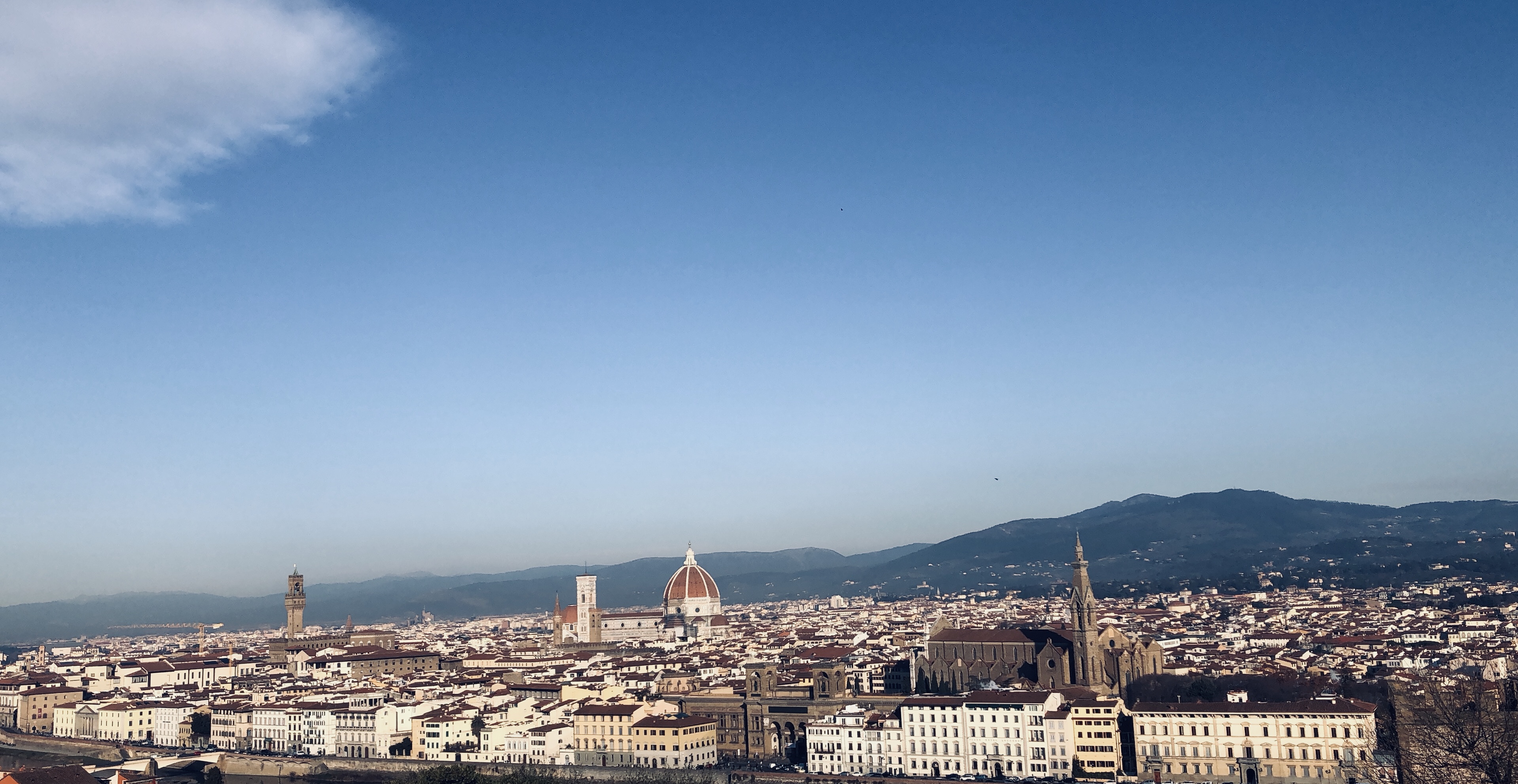
Florence
Italian Traditions
As I previously alluded to, Italy has a rich history, and each region continues to produce their products identical to the process that has been passed through the family for generations. Many Italians highly value regional products, “Buyers who like zero kilometer goods often patronize farmer’s markets, where the products are local and sold directly from the farmers” (Parasegoli 205).
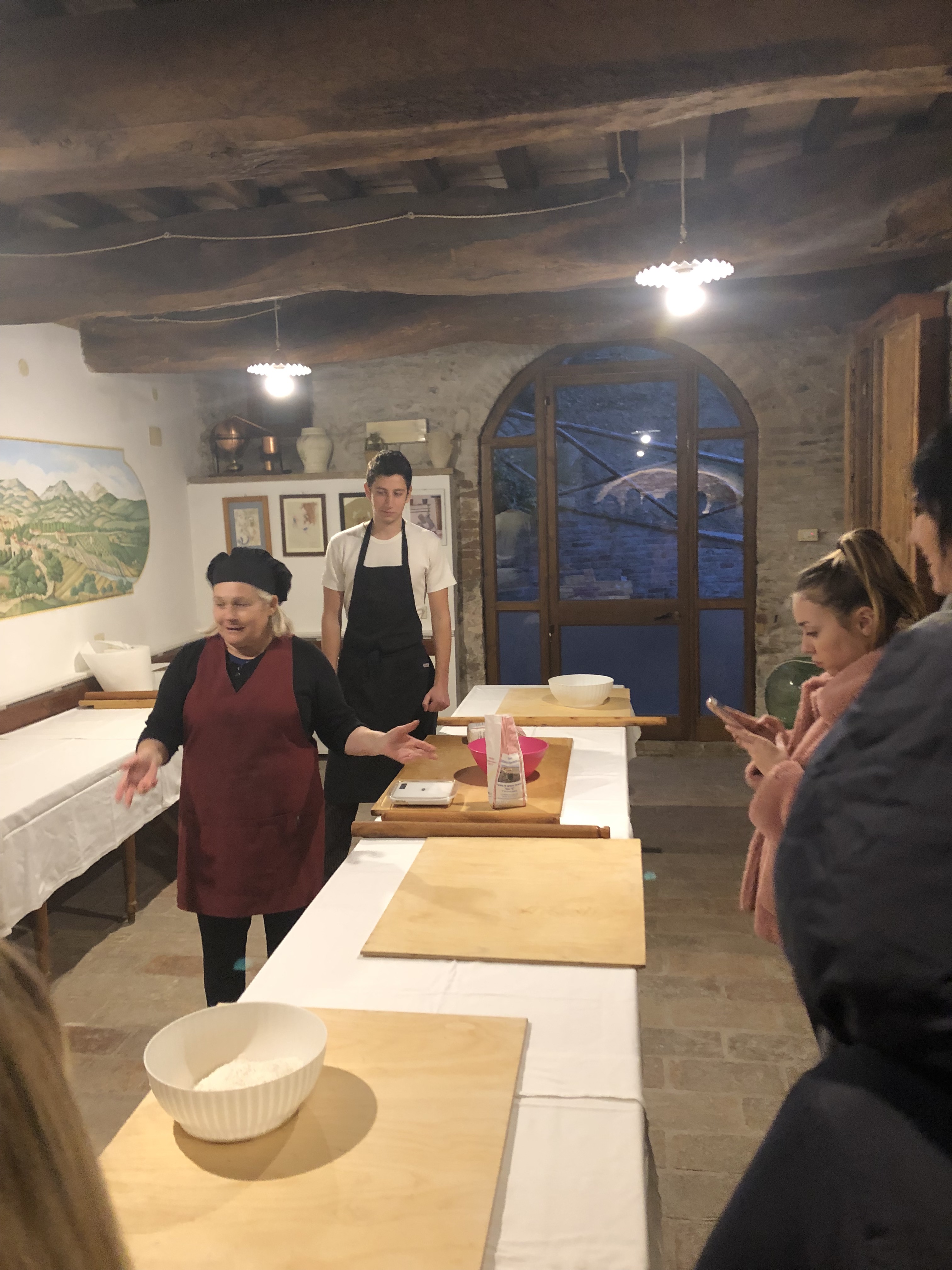
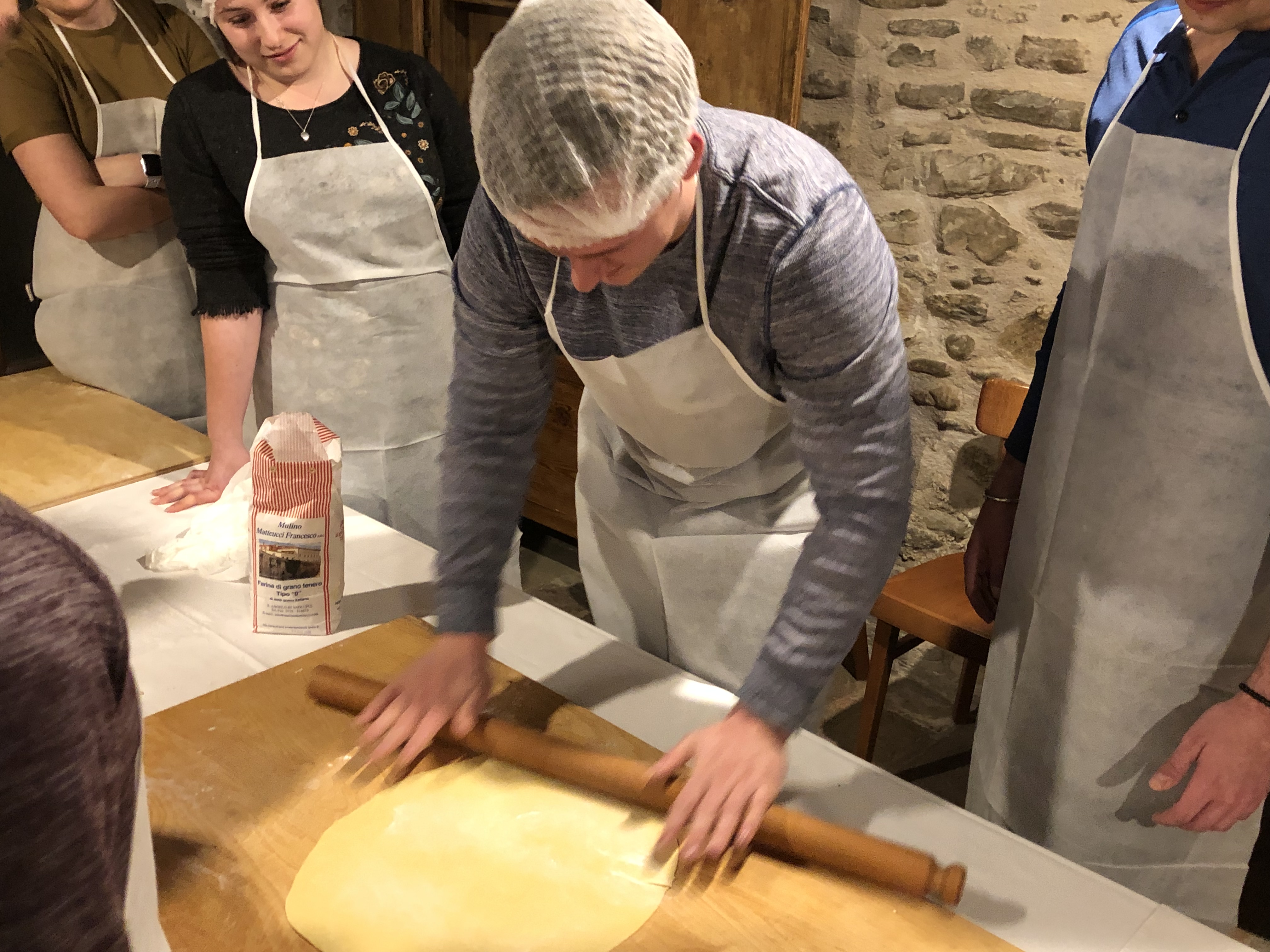
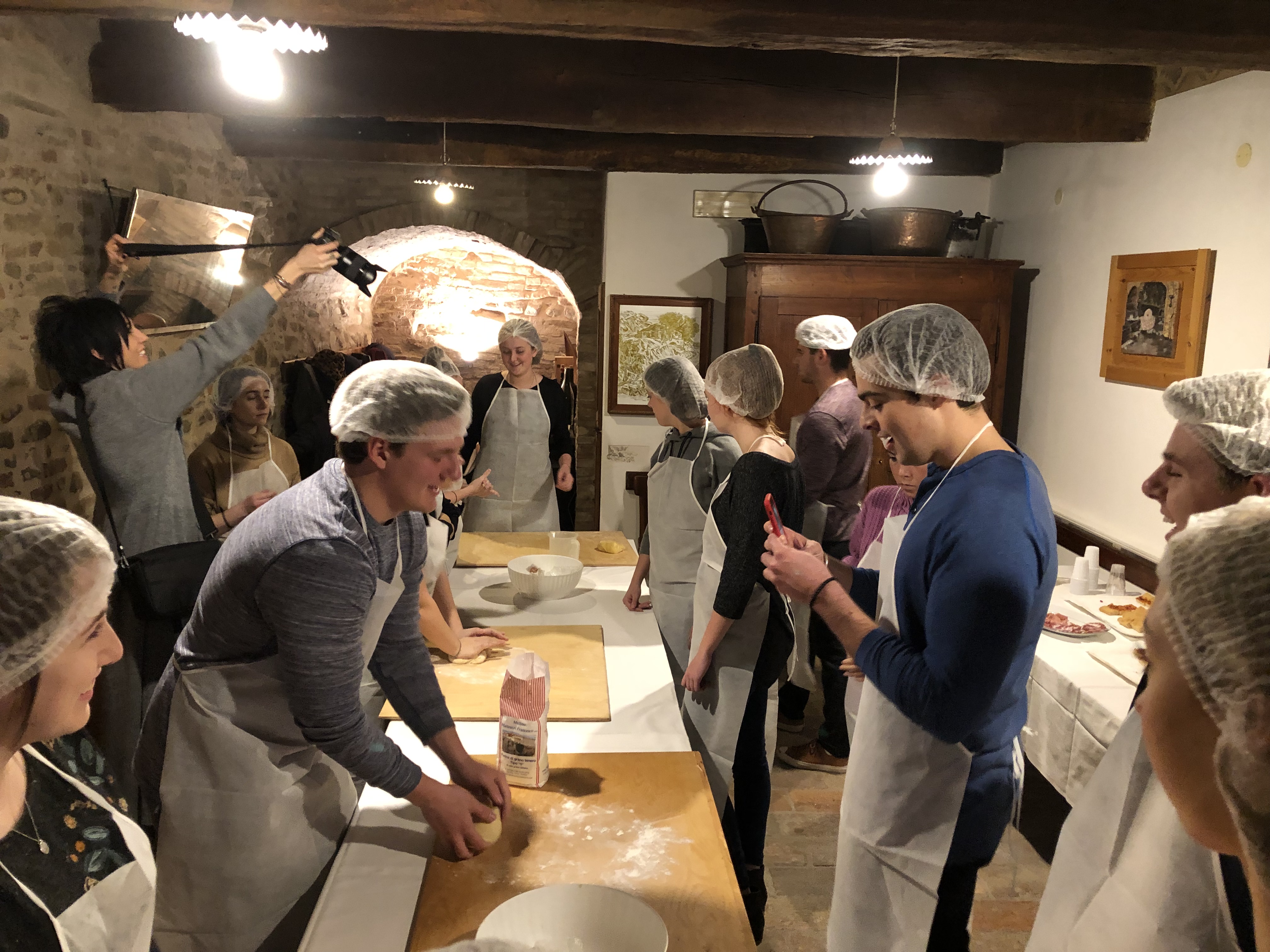
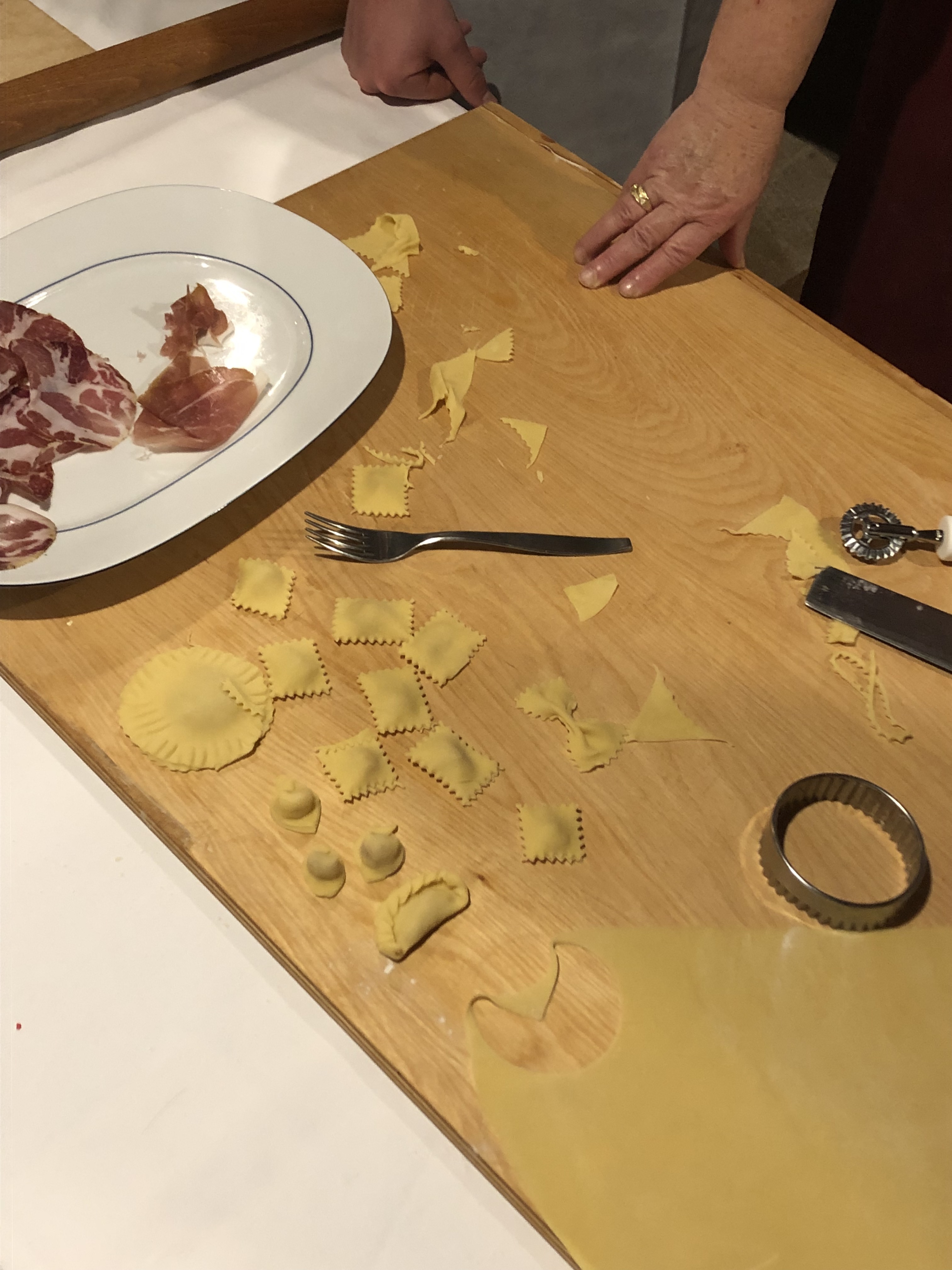
Traditions are most prevalent in the foods of each region. We learned to make pasta from a woman who shared the process that has been practiced for multiple generations. Starting from scratch, we made the dough, perfected the thickness and shape for an hour, then individually stuffed the pasta and cut it into different types of pasta. There are no machines that mass-produce the pasta, a woman cuts every single piece of pasta and spends countless hours creating an aesthetically pleasing (and amazing tasting) meal.
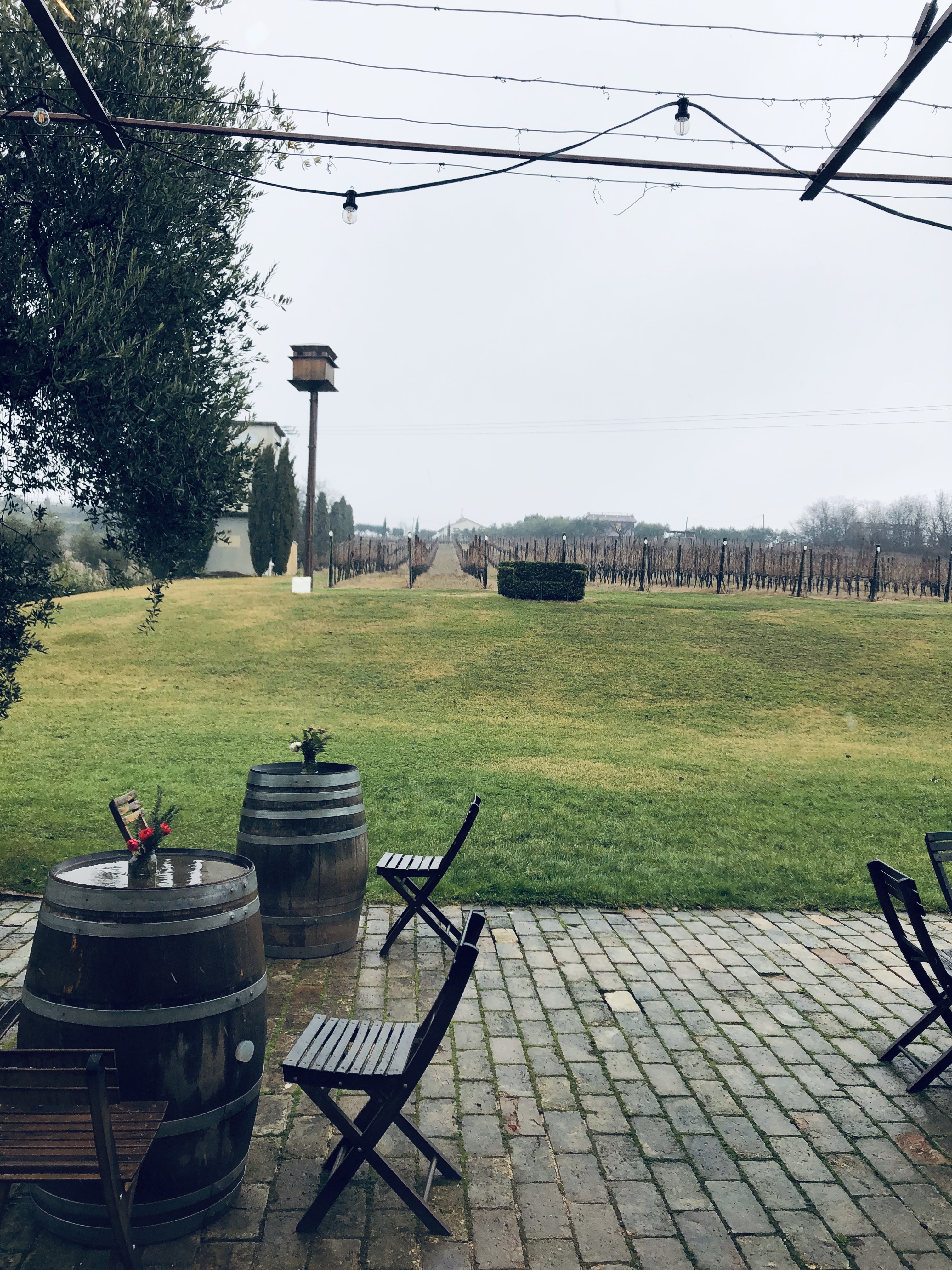
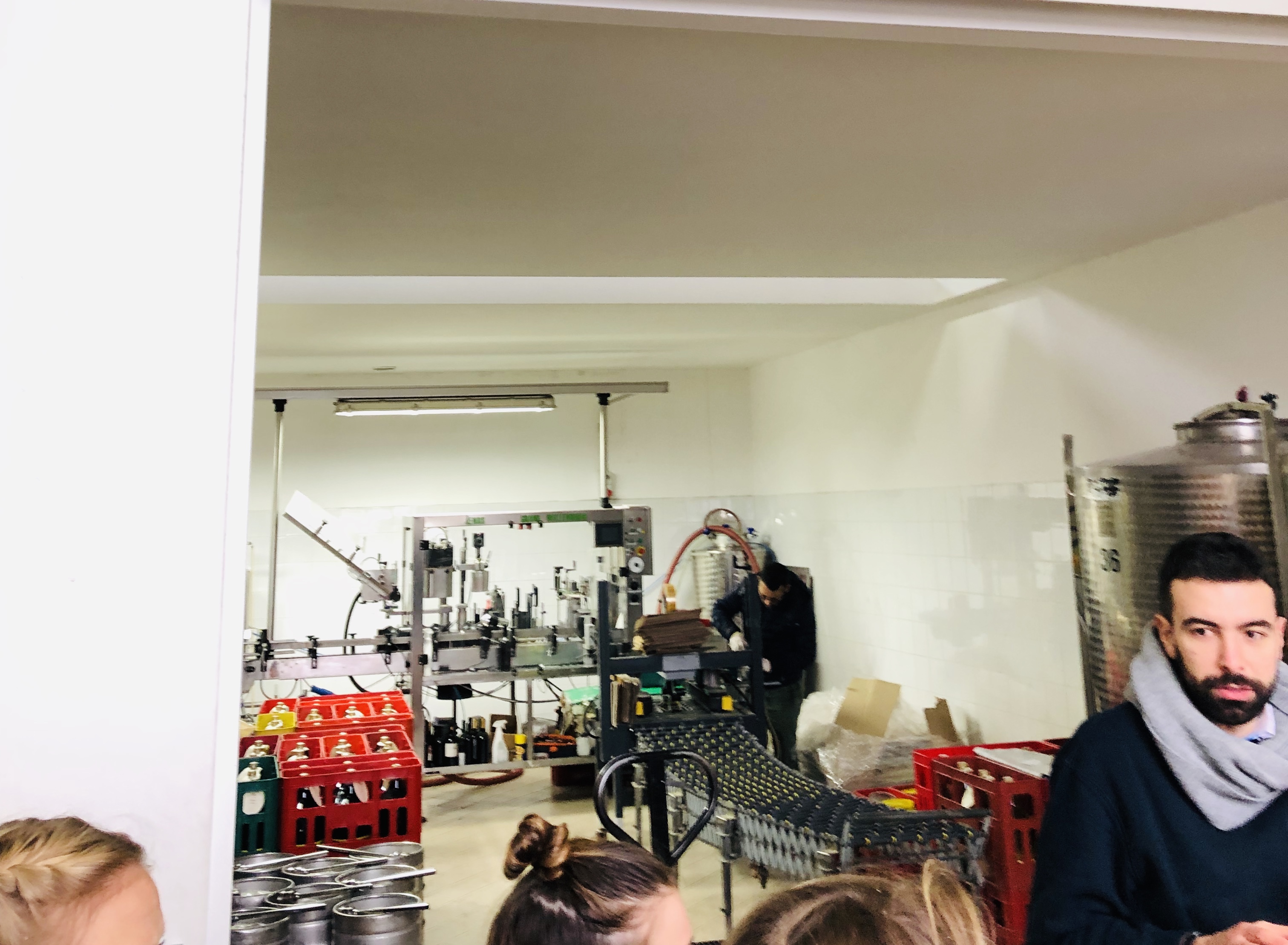
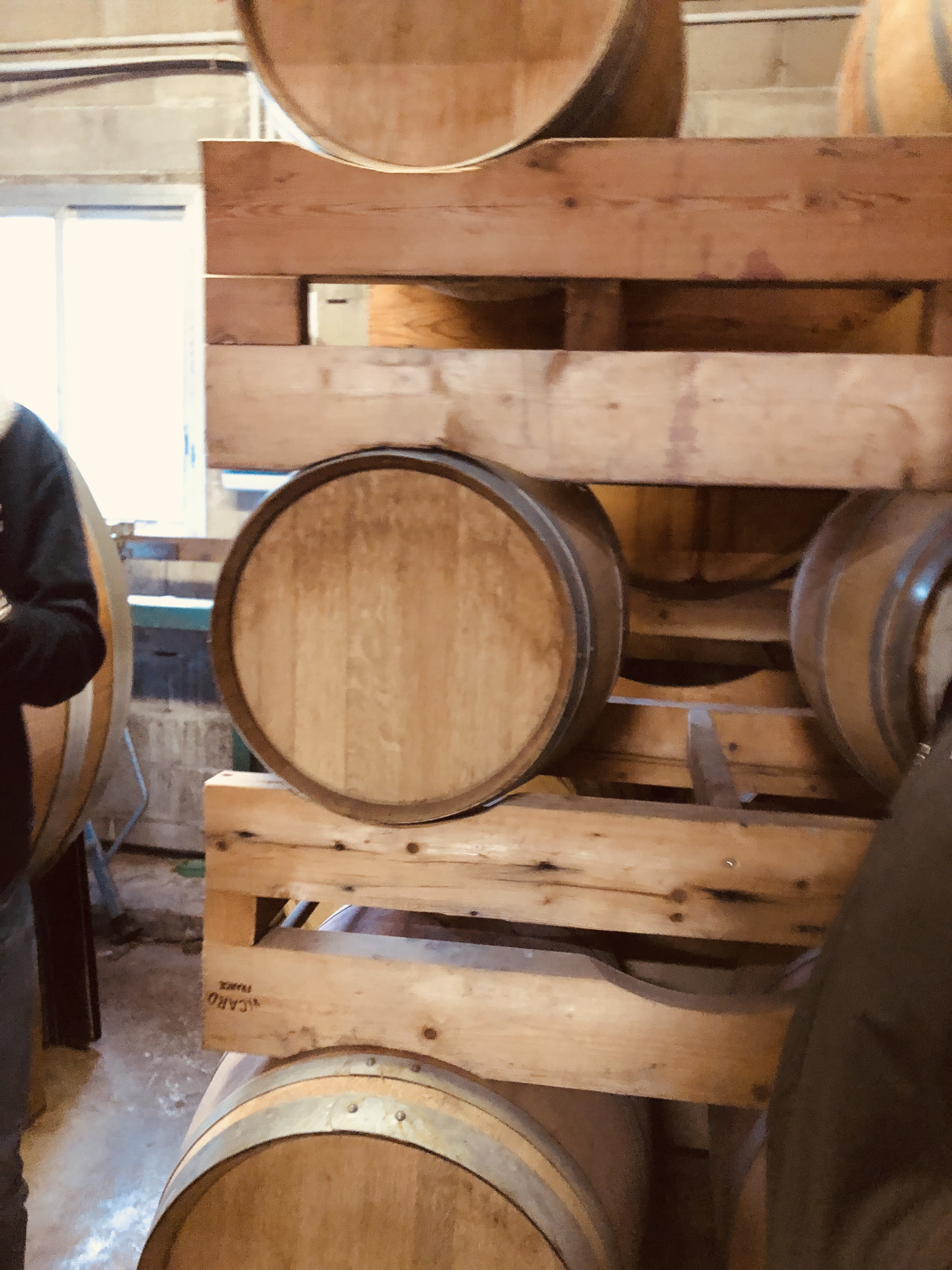
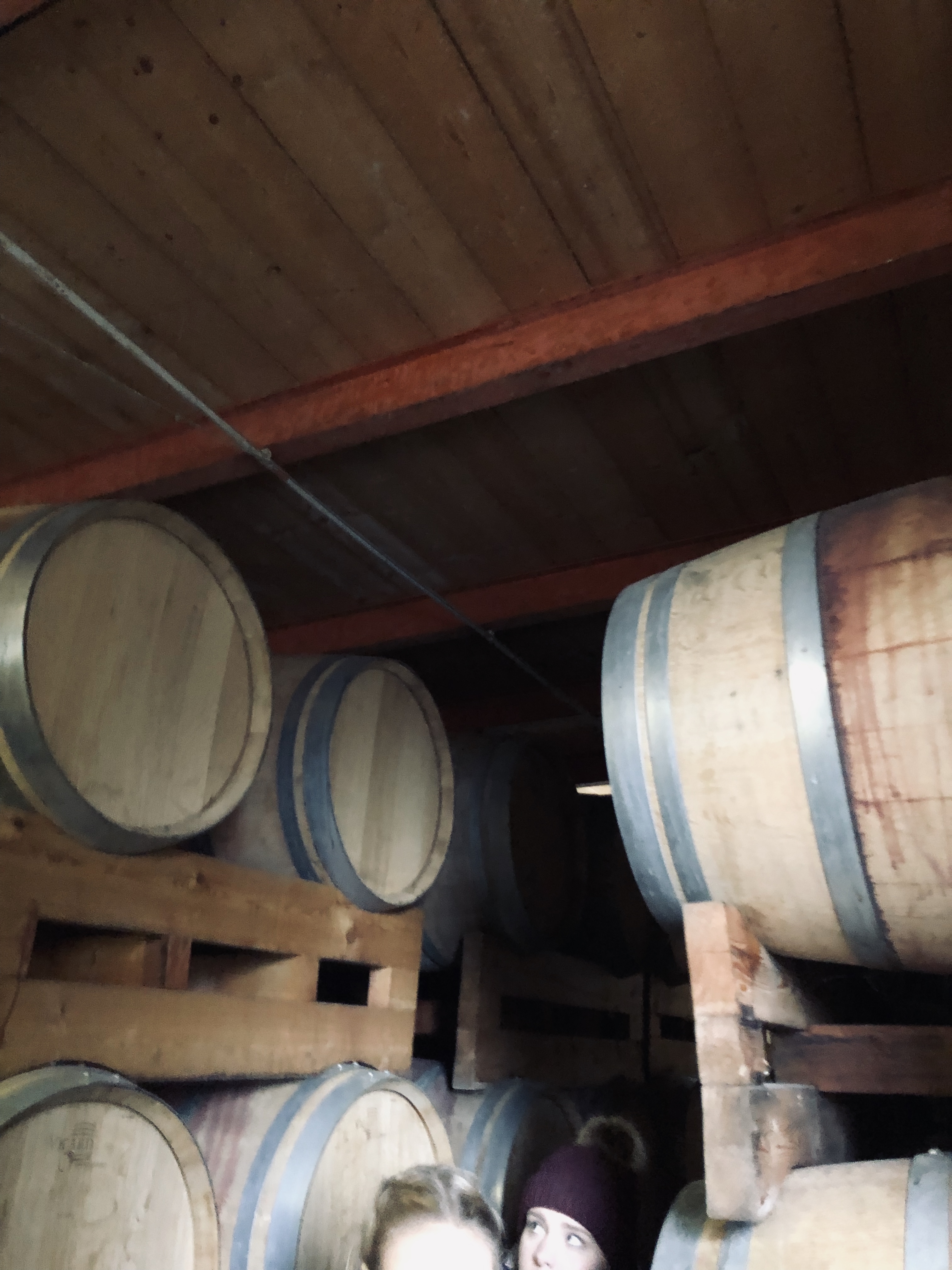
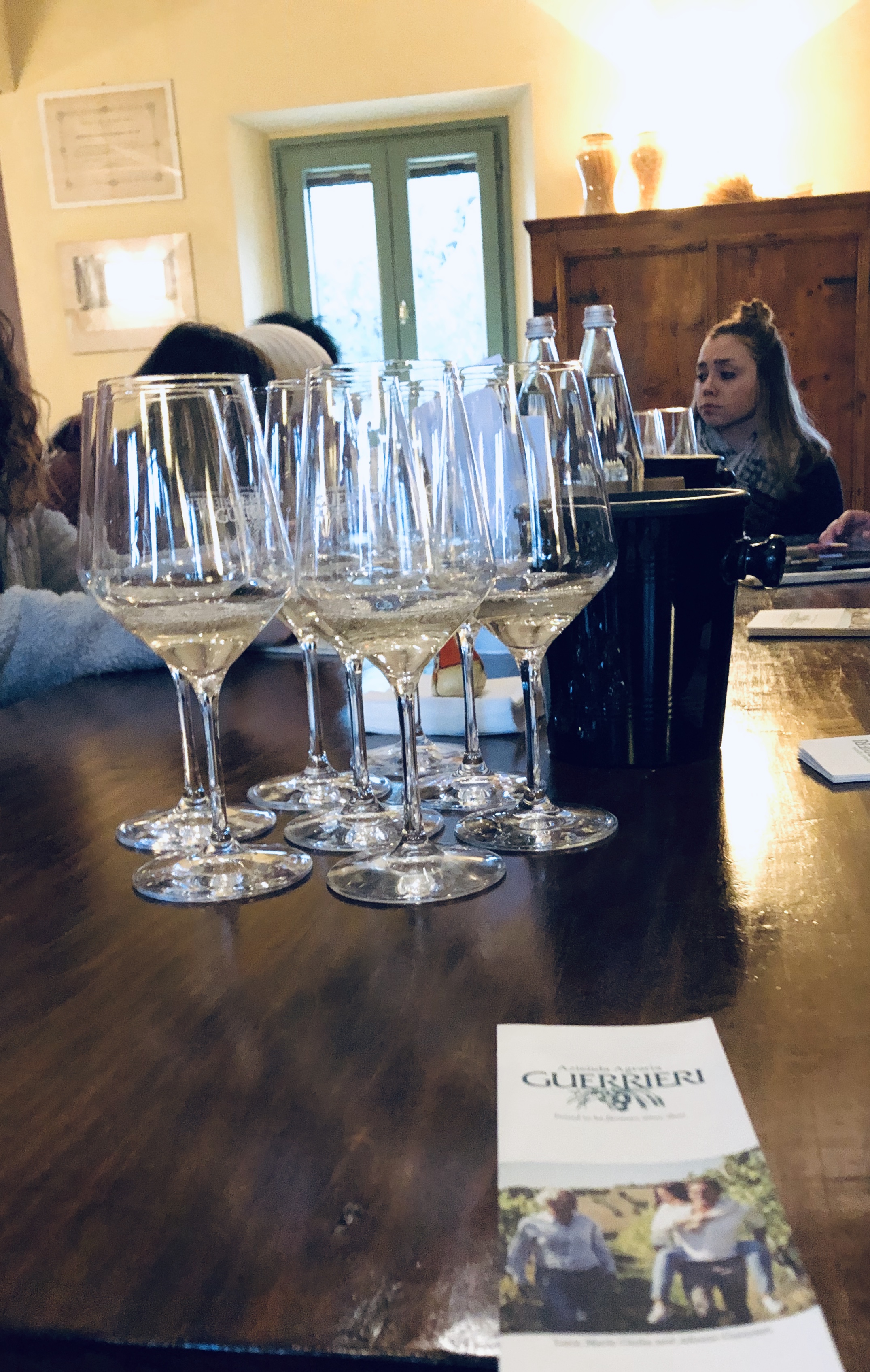
Italian wine is world-renown and after seeing the process, it’s easy to see why their production is superior to other countries. Each bottle is made with fresh grapes, local to the region, and the wine is curated in different types of regional wood barrels to add a different flair to the taste. Small farms and vineyard’s like this one are often closed due to the industry giants stealing their clients. There has been a recent push to support the small, traditional businesses, “the aim of Slow Food Movement is to take back the role of small rural communities in the production of goods” (Basilico 2).


Reflection
After almost a month in Italy I better understand why Italians like local food without preservatives like we are used to, “The majority of Europeans are extremely apprehensive about eating anything that is genetically modified” (Parasegoli 208). Next time you’re in a store, do research on whether the brand you are buying is truly made in Italy. Authentic Italian food cannot be faked; organic ingredients, local traditions, and an elegant presentation are what define true Made in Italy products.

 Colin's Italy Experience